You're dealing with a loved one's belongings — or moving out of a home after decades — and you need to sell a lot, fast. The question of whether to call it an "estate sale" or a "garage sale" is more than semantic. In many cities, the two are treated very differently by local code, and choosing the wrong label can lead to unexpected permit complications.
The Legal Definitions
Most cities that distinguish between the two define them roughly as follows:
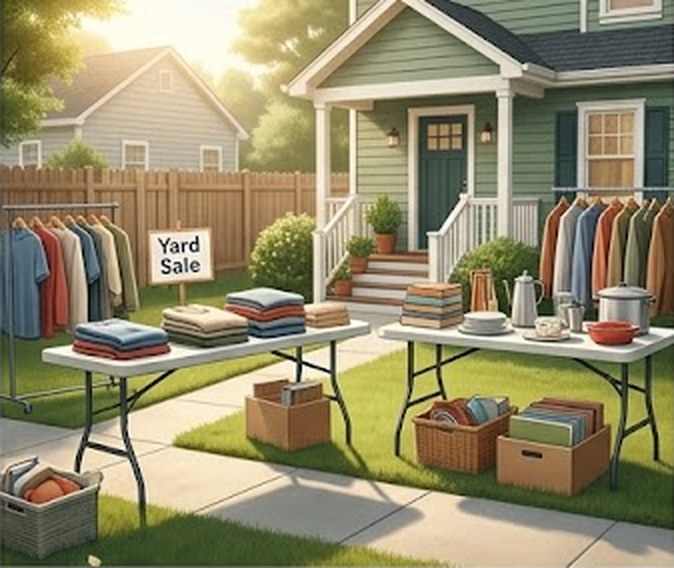
Garage/Yard Sale: An occasional, informal sale of a household's personal property, held at the residential address by the homeowner or resident, typically limited in scale and duration.
Estate Sale: A sale of the entire or majority contents of a residence, typically following a death, divorce, or major relocation. Estate sales tend to be larger, longer, and sometimes conducted by a third-party professional company.
When Estate Sales Require Different (and More) Permits
The key distinction is usually who is conducting the sale and how large it is:
- DIY estate sale (you selling your family's items): Most cities treat this like a garage sale — same permit, same rules, same annual limit. However, some cities explicitly state that "estate sale" falls under a different permit category.
- Professional estate sale company: Companies that conduct estate sales as a business typically operate under their own business license, not the homeowner's garage sale permit. In some cities, the company must register with the city's business licensing office before conducting sales. California requires estate sale companies to hold a specific license.
Cities That Treat Estate Sales Differently
| City | Garage Sale Permit | Estate Sale (DIY) | Estate Sale (Professional) |
|---|---|---|---|
| Dallas, TX | Free, 2/yr | Same as garage sale | Separate registration required |
| Los Angeles, CA | $23, 2/yr | Same permit applies | Company license required (CA) |
| West Hollywood, CA | Free, 4/yr | Same permit; limit applies | Company must be CA-licensed |
| Oklahoma City, OK | Free, 2/yr | Same rules apply | Contact Code Compliance |
California Estate Sale Licensing
California is the most regulated state for professional estate sales. Estate sale companies operating in California are regulated under the Secondhand Dealer and Pawnbroker law (Business & Professions Code §21625+). Companies must register with local law enforcement agencies and maintain records of items sold for 30 days. If you're hiring an estate sale company in California, verify their license before signing a contract.
Key Questions to Ask Before Labeling Your Sale an Estate Sale
- Does your city distinguish between garage sales and estate sales in its ordinance?
- Does calling it an "estate sale" put it outside your annual permit limit?
- If using a company, are they licensed in your state?
- Does your city require the company to register before conducting the sale?
Frequently Asked Questions
It depends on your city. Many cities treat DIY estate sales the same as garage sales. Professional estate sales conducted by companies typically require separate licensing.
In most cities, yes — any sale of personal property at your residential address, regardless of what you call it, counts toward your annual permit limit.
Yes — California requires estate sale companies to be registered under the Secondhand Dealer law. Companies must register with local police and maintain sale records for 30 days.
No — the type of activity (sale of personal property at a residential address) determines permit requirements, not the label you give it. Using 'estate sale' as a workaround would still trigger the same permit requirement.
The permit requirement depends on the city where the home is located. Most cities would require the standard garage or yard sale permit for the property address. Contact the city's code compliance office if you're unsure.